We all engage in some form of play through our hobbies—whether it’s reading, watching television, exercising, gardening, creating art, or spending time with friends. These experiences help us release stress. We may not consciously label them as “play,” but they function in very similar ways. Our brains prioritize these moments as opportunities to pause from daily pressures, time constraints, decision fatigue, and responsibilities.
If you stop and reflect on how you feel during these interactions, you might notice a sense of calm, enjoyment, or even excitement. Your breathing slows. Your shoulders relax. You might laugh more easily. Endorphins are released. Your nervous system resets. These experiences create balance in our bodies and restore emotional equilibrium. They help us return to our responsibilities feeling more regulated and capable.
So, are children really stressed?
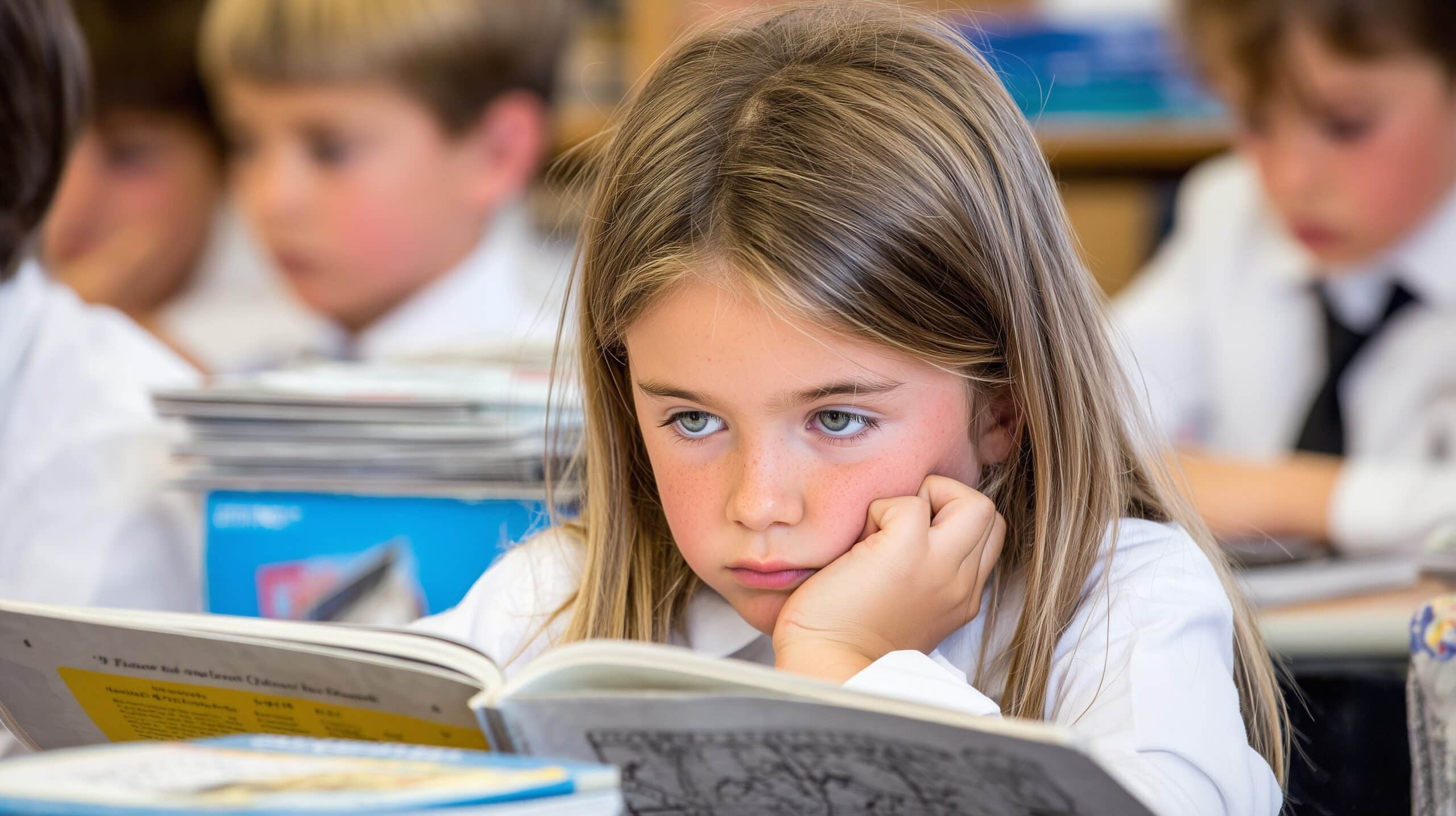
Children experience stress, too. Their stress may not come from paying bills, managing work schedules, or caring for aging parents—but it is very real. Their stress often stems from peer relationships, language demands, academic expectations, sensory overload, family dynamics, and navigating increasingly complex social situations. For young children, even transitions, misunderstandings, or feeling unheard can trigger stress responses.
And children’s stress often presents differently than adult stress.
Stress in children can look like disengagement, avoidance, eloping, frustration, tantrums, screaming, shutting down, or throwing objects. Sometimes it appears as perfectionism or over-compliance. We may label these behaviors as “misbehavior,” but often they are signals. They are a child’s way of communicating that their nervous system is overloaded and they do not yet have the tools to regulate independently.
There are many ways to help reduce stress in children: predictability in routines, clear and consistent communication, breathing strategies, connection with trusted adults, and opportunities for movement. But one of the most powerful and natural stress relievers for children is play.
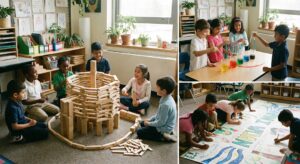
Play taps directly into the brain. It integrates cognitive, social, emotional, and physical systems simultaneously. It creates access to collaboration, joy, creativity, and connection. When children are given meaningful time and space to play, they can release stress in much the same way adults do through hobbies and social interactions. Engaging with novel materials, using imagination, building worlds, pretending, problem-solving, and negotiating roles with peers releases endorphins and supports emotional regulation.
Play also provides children with a sense of agency. In a world where much of their day is directed by adults, play is often one of the few spaces where they can make choices, take risks, test ideas, and explore outcomes without fear of evaluation. That autonomy is deeply regulating. It tells the brain, “I am safe. I have control. I can try again.”
Now, can play sometimes be stressful? Yes. If children lack the background knowledge, language, or social skills to collaborate effectively, play can feel overwhelming or isolating. Group dynamics can be complicated. Negotiating roles requires executive functioning skills that are still developing. That is why adult facilitation matters.
Adults can become co-players. Get down on the floor. Ask thoughtful questions. Support children through dilemmas. Model language such as, “How can we solve this?” or “What could we try next?” Take on roles within the play to extend thinking and scaffold vocabulary. Help them enter play if they are unsure how to begin. When adults thoughtfully support play, they provide a bridge that helps children access positive, meaningful interactions with peers. Over time, children internalize these strategies and begin to use them independently.
In a time when children are often overscheduled with dance lessons, sports practices, tutoring, and music instruction, we must ask ourselves: when do they decompress? When do they follow a curiosity without a timer? When do they explore their creativity simply for the joy of it?
Structured activities have value. They build discipline and skill. But it is equally—if not more—important for children to have unstructured, choice-driven opportunities to innovate, imagine, and create. The pressure to excel in multiple domains at increasingly young ages can elevate stress levels and even influence developing brain architecture. Chronic stress, without protective factors like joyful play, can impact attention, emotional regulation, and resilience.
When we protect time for play, we are not lowering expectations. We are strengthening the foundation that makes learning possible. Play builds flexible thinking, language development, problem-solving, and collaboration. It builds resilience. It builds confidence.
So I encourage you to pause. Observe your children. Notice what they need beneath the behavior. Create time and space for what is most natural to human beings: joyful, self-directed engagement rooted in curiosity, creativity, and connection.
Play is not a break from learning.
Play is how children regulate, relate, and grow.